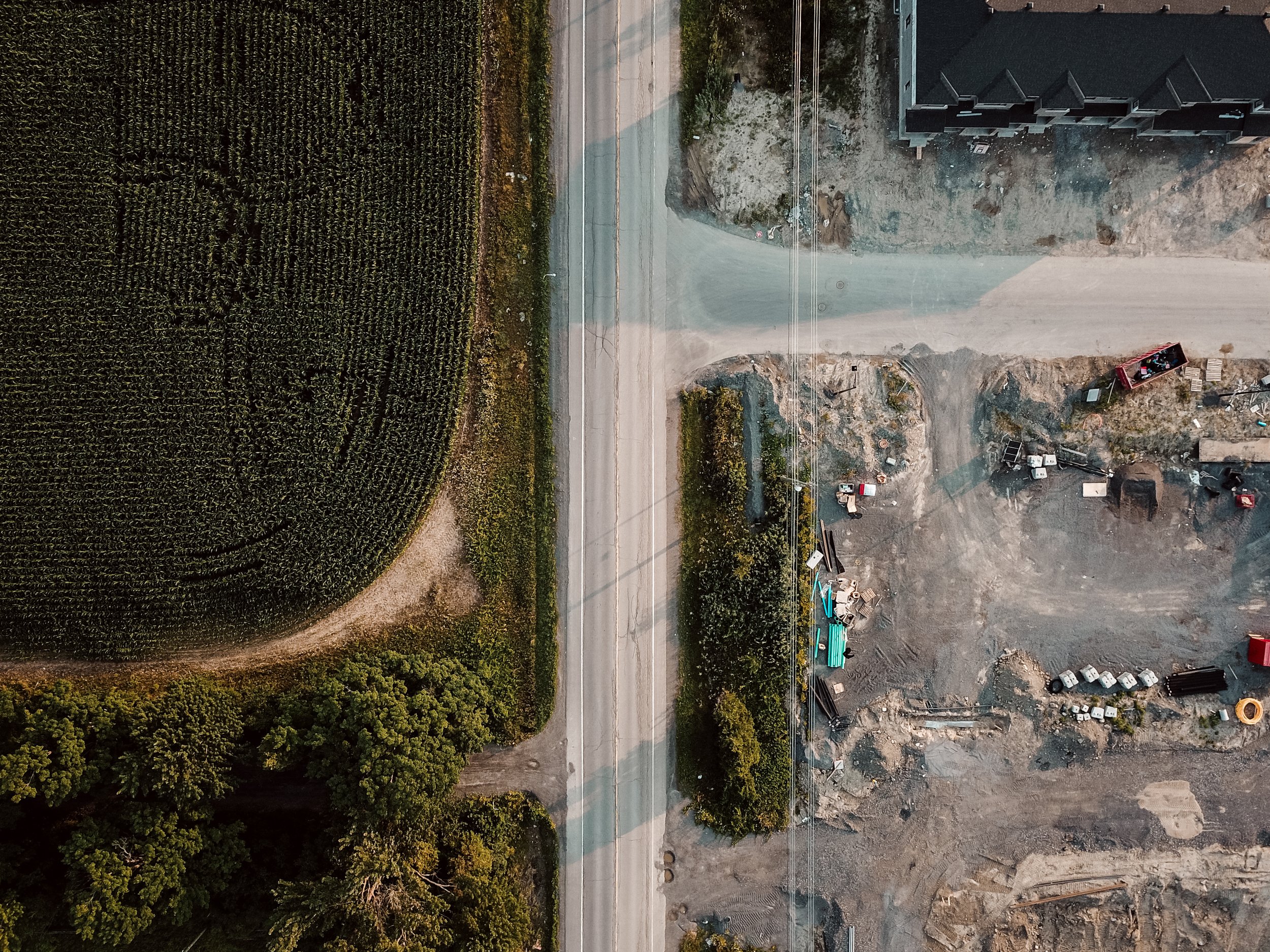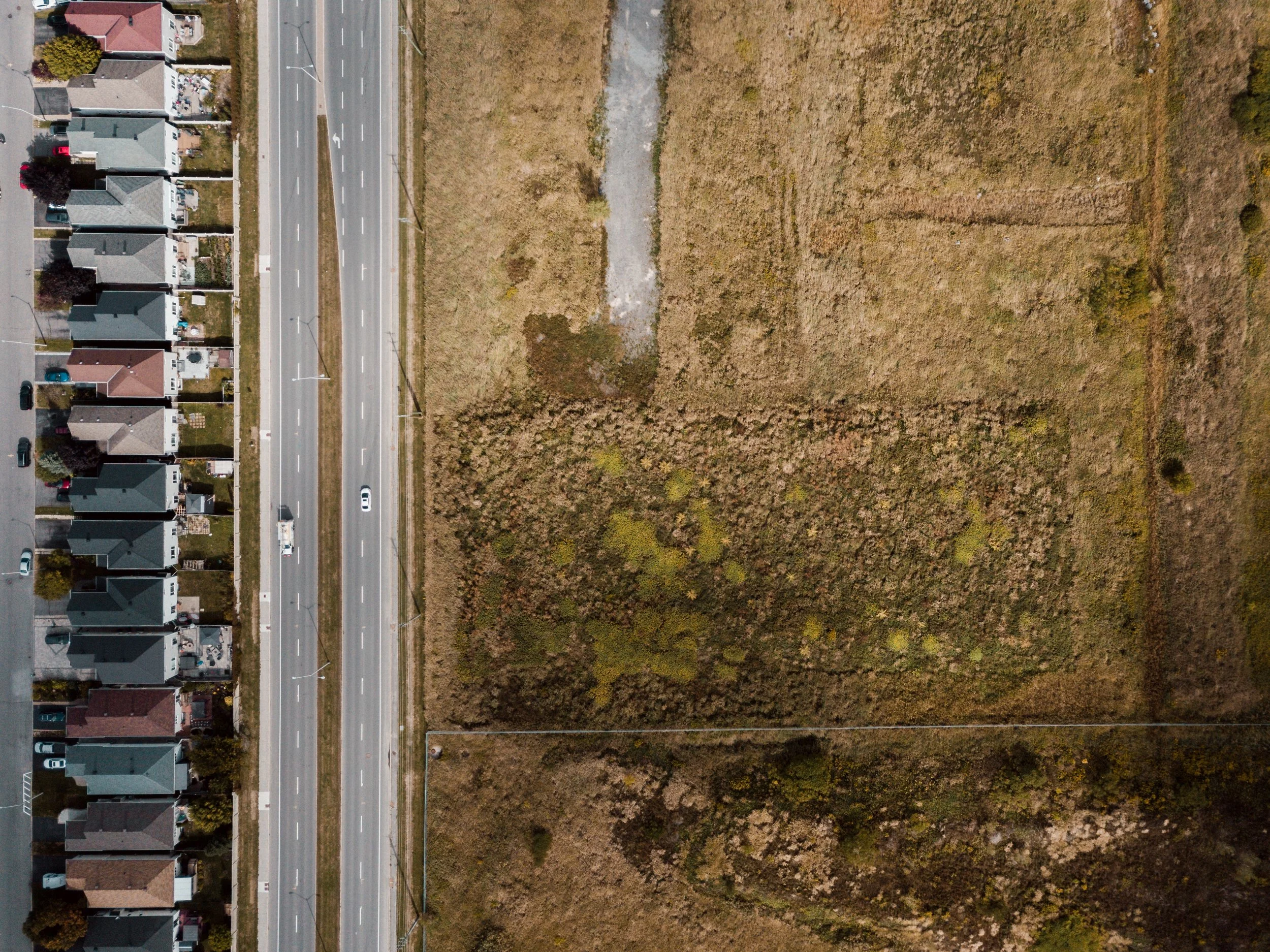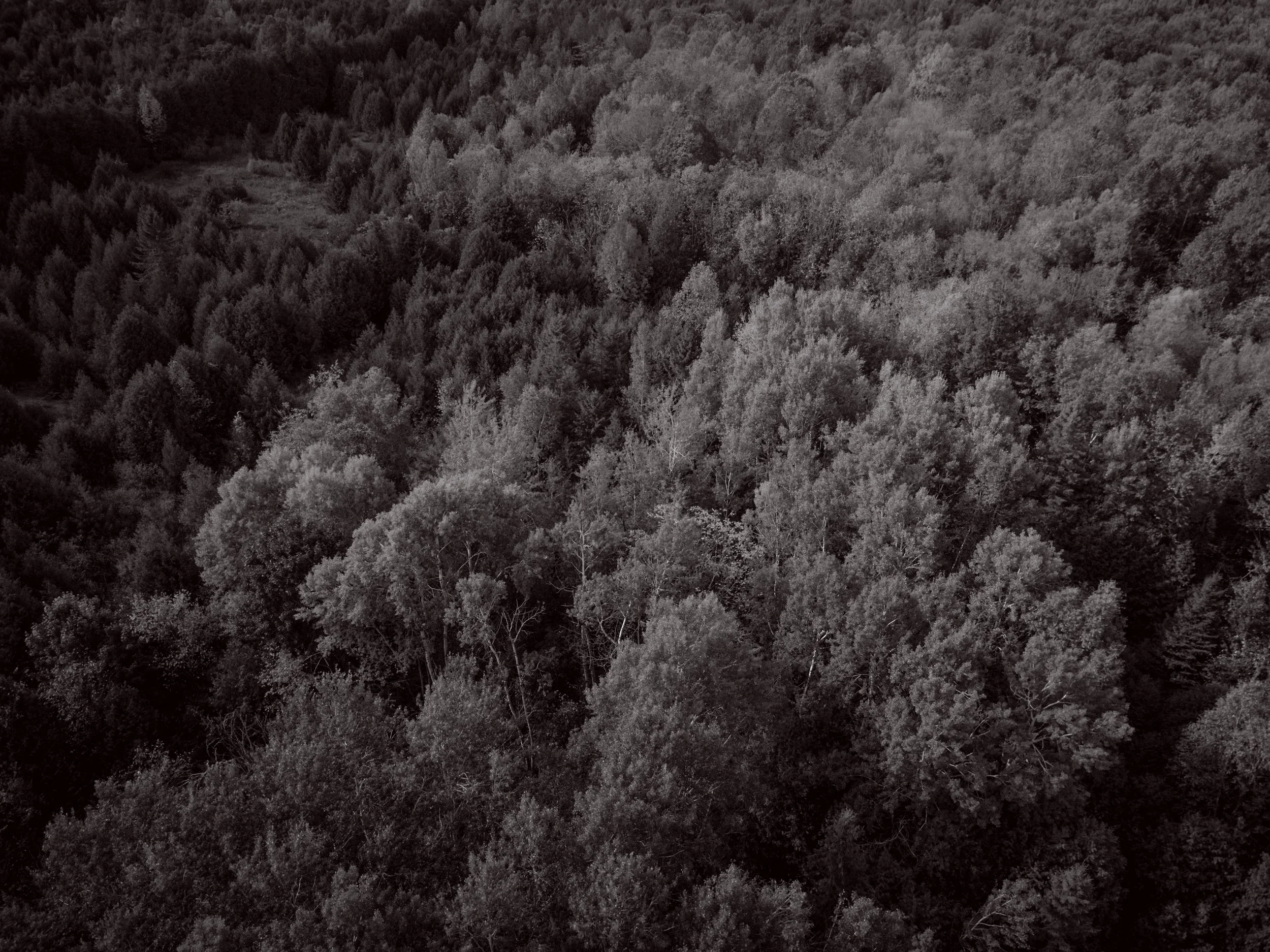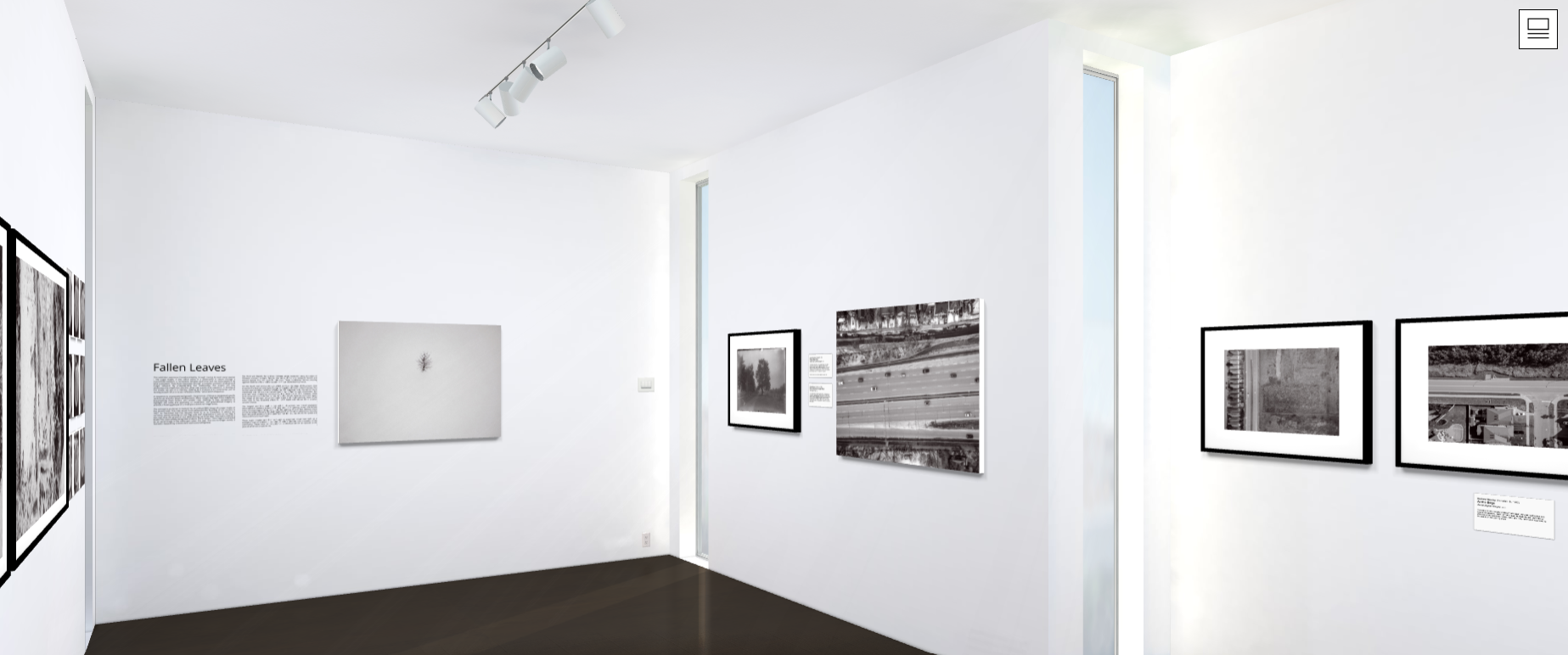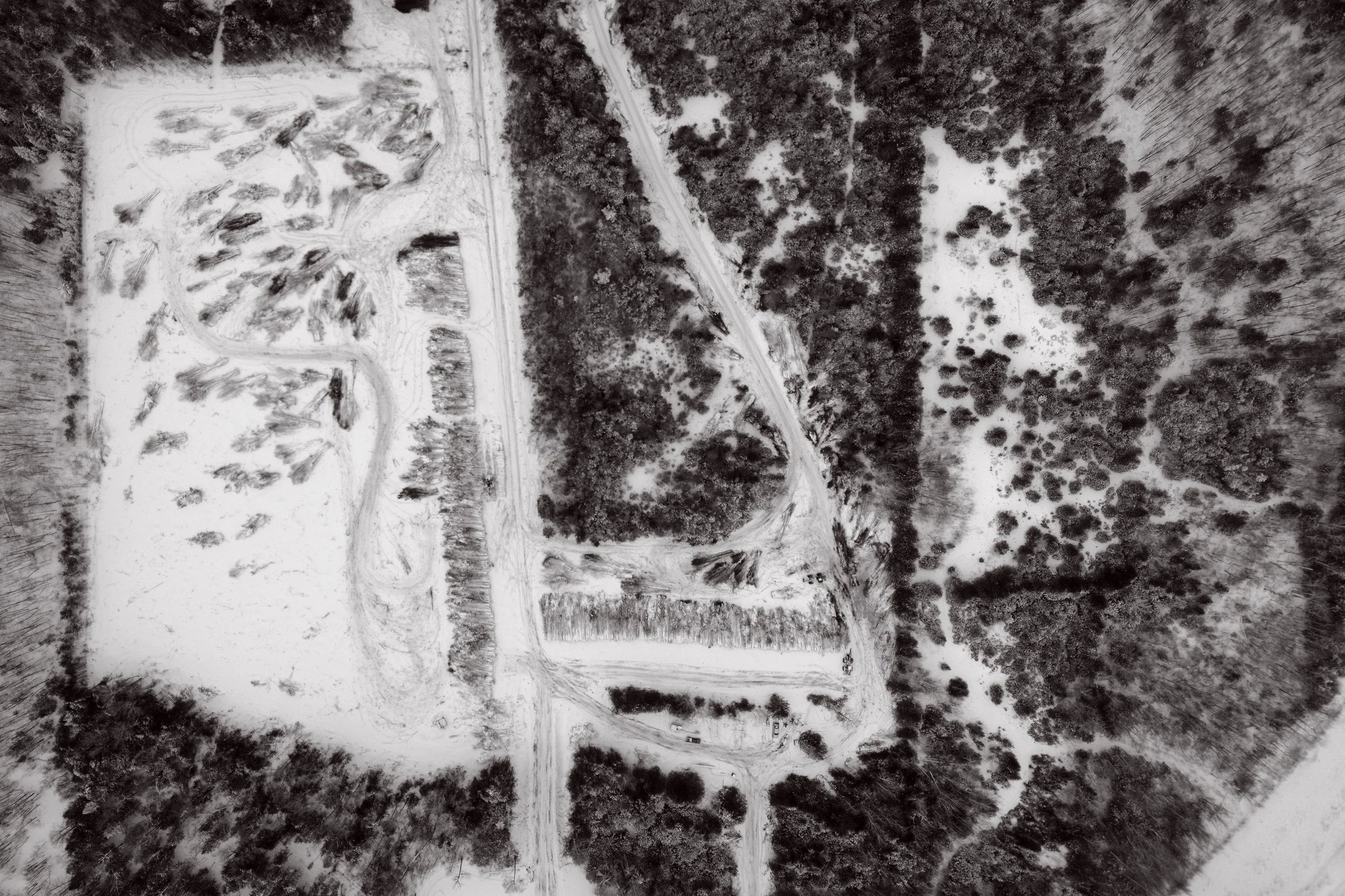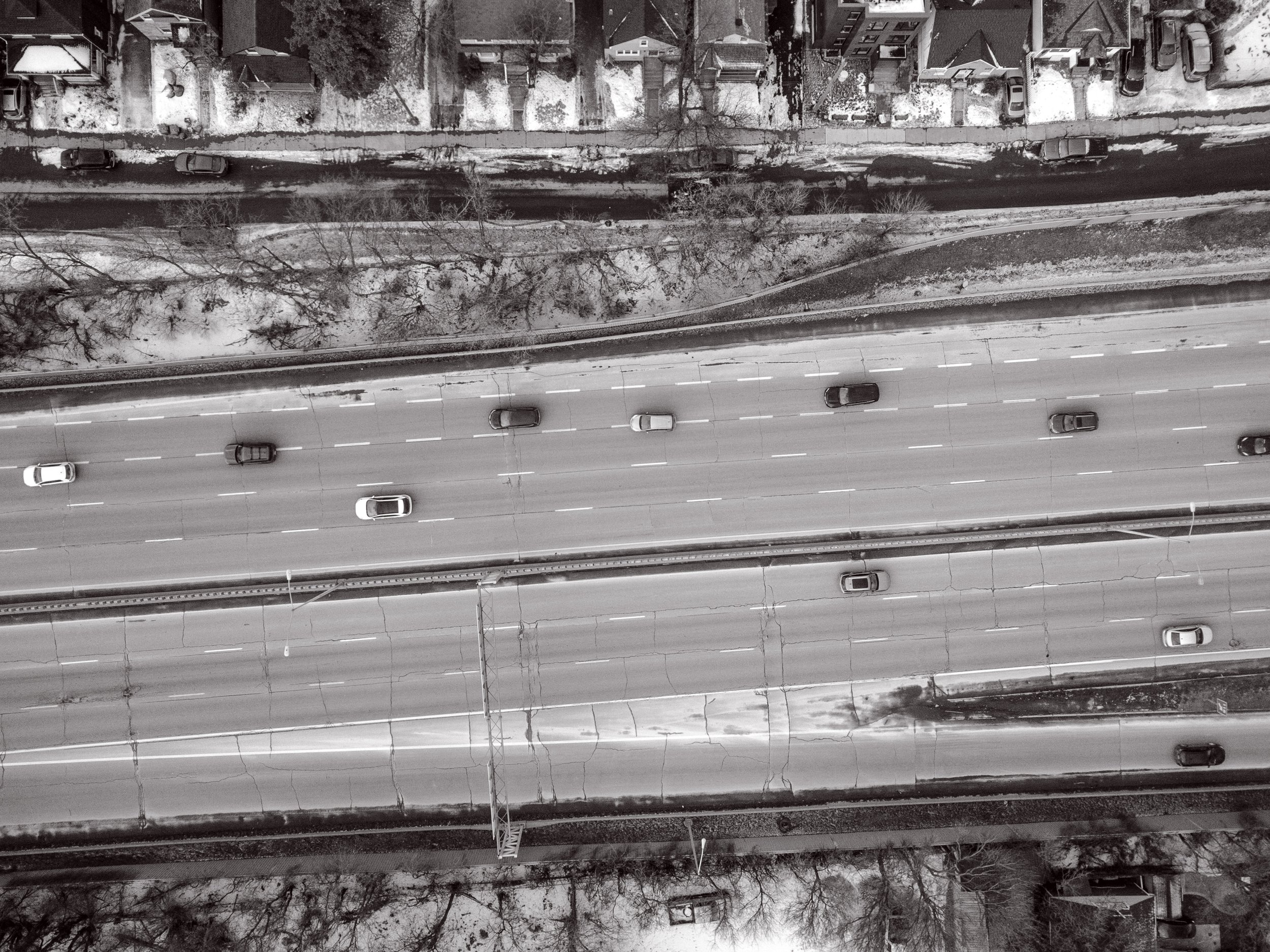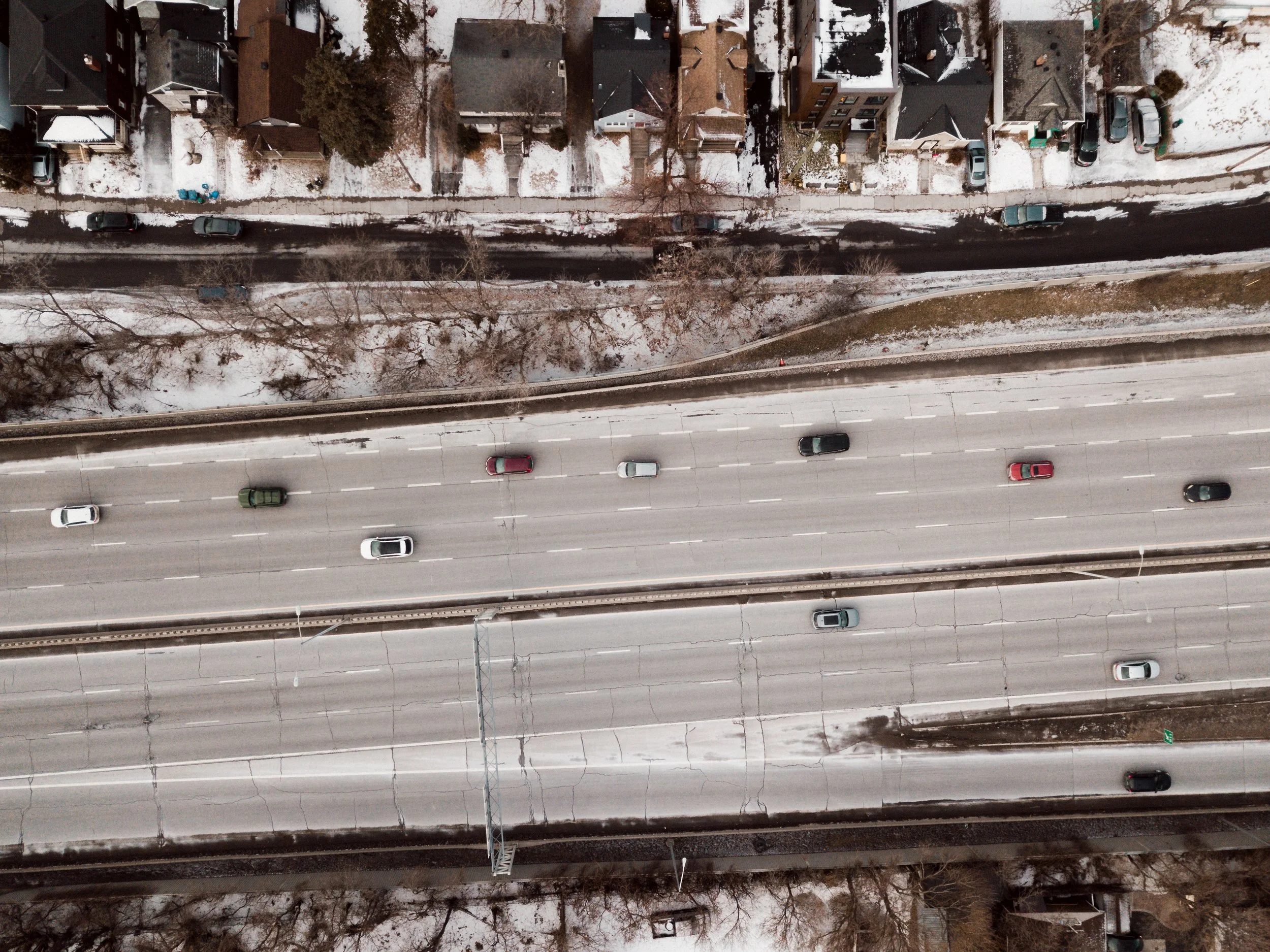
Over the past months the Fallen Leaves project has transitioned from fieldwork into the next stages of development. With the section of land it documents now, unfortunately, cleared, the focus shifts to refining how the imagery will be disseminated to meaningfully engage in ongoing discourse. The editing and sequencing of imagery is now underway, preparing for printing, as are the final adjustments to its online gallery and the virtual exhibitions gallery, which will be presented in applications for upcoming site-specific installations.
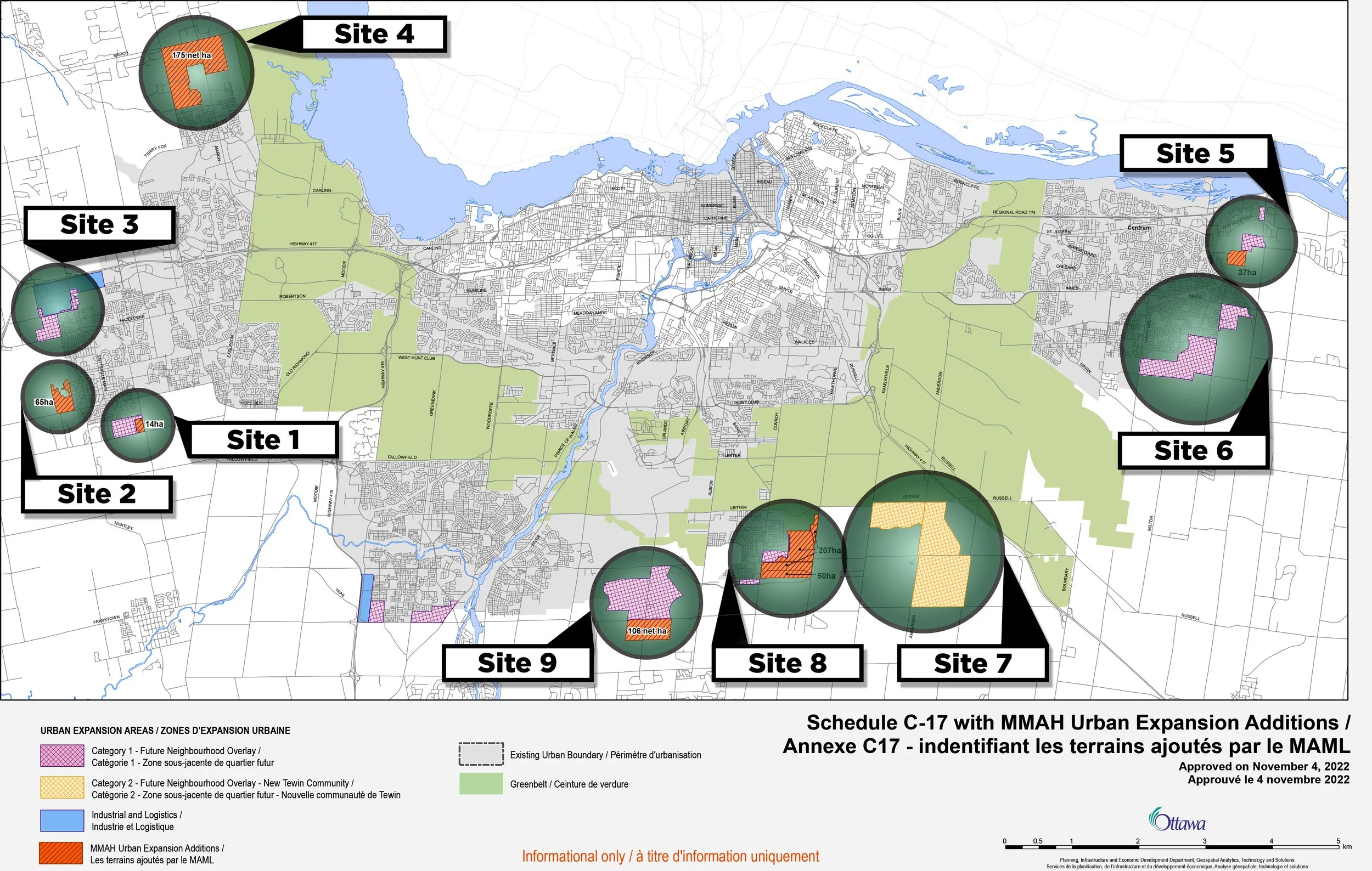
The sections of Ottawa’s suburbs which have been identified to be cleared in ongoing processes of urban sprawl. The imagery captured in Fallen Leaves represents a section of forest in Site 1.
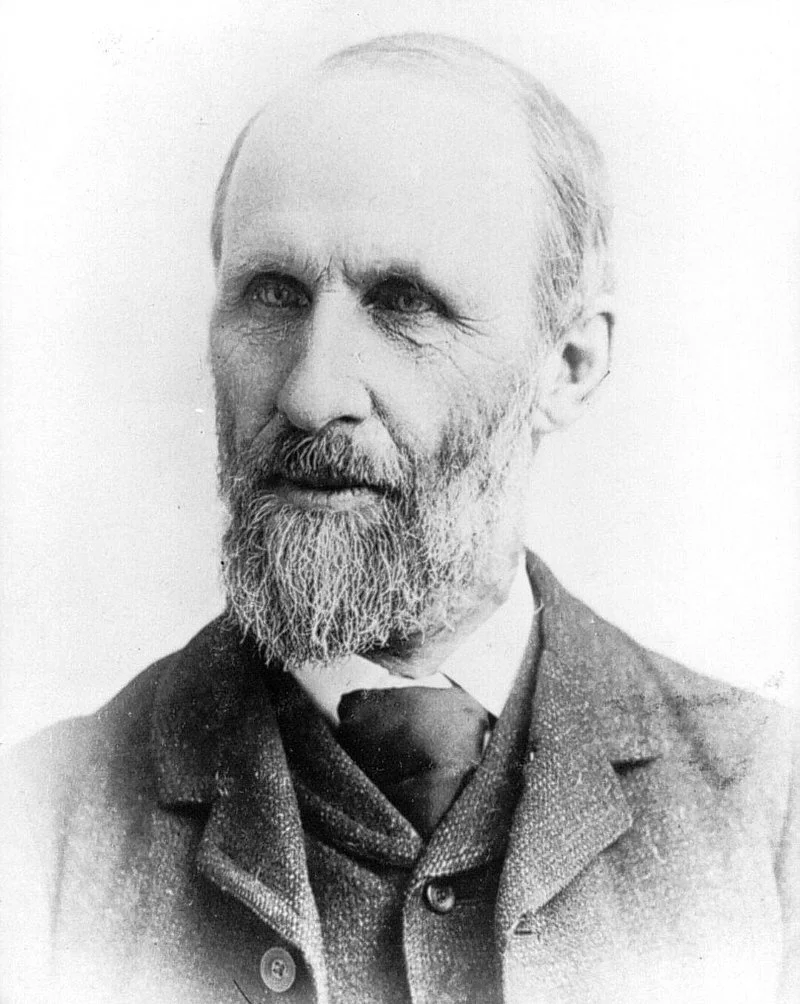
Fallen Leaves leans heavily upon the philosophies of Bruno Latour, John Dewey, and fellow Canadian F.E. Sparshott, informing a methodological framework which situates us as active and duty-bound participants in a broader ecological network of relationships with our environment. In so doing, such trees and ecological communities are presented as embodiments of the interdependence between the environment and identity. The aim is to present the work as a cohesive narrative about the issues of Anthropocene relating to acts of urban expansion – both locally and in broader global discourses.
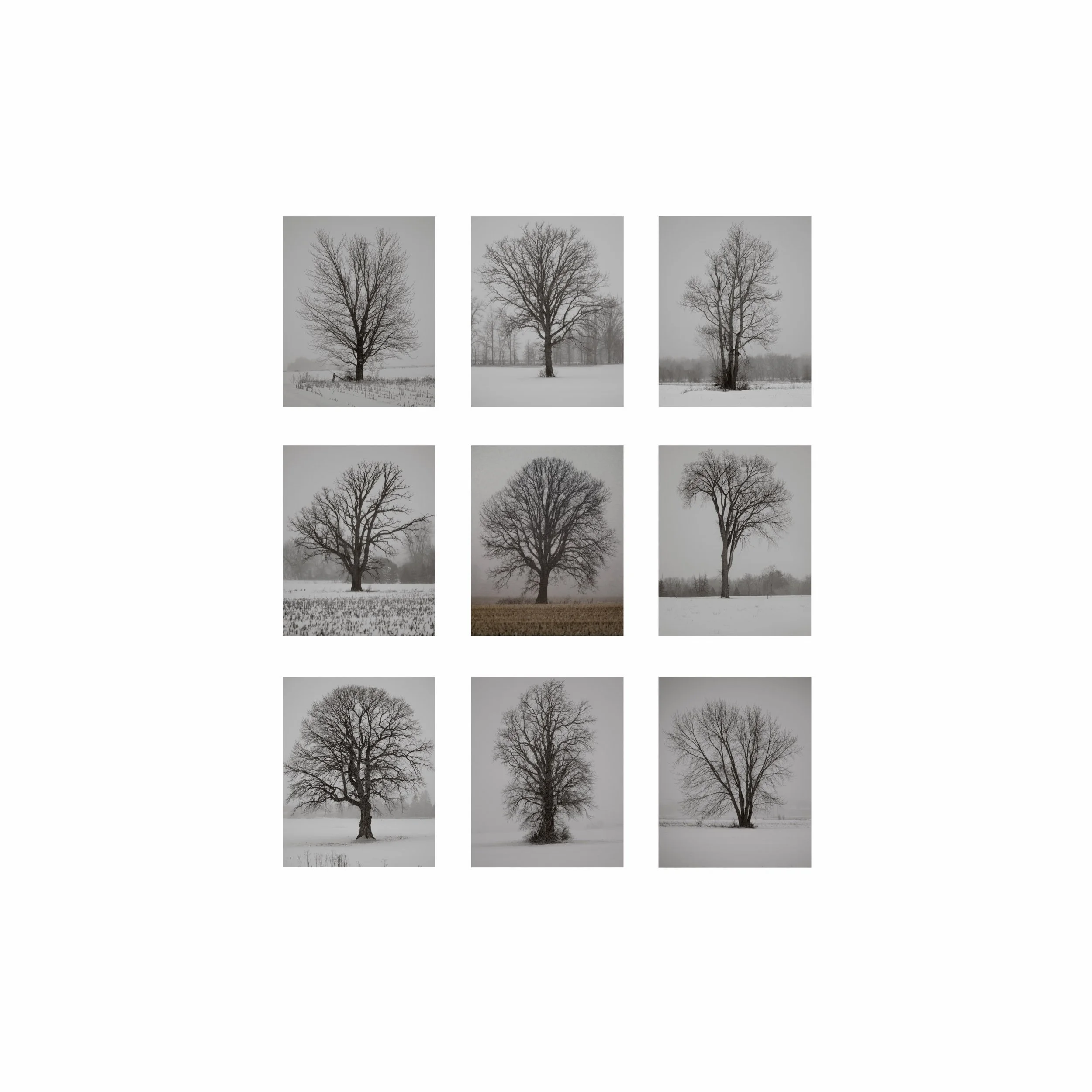
The next stage of the project will include producing a small series of printed photobooks and accompanying zines. These printed works are designed to extend the project's life beyond a single exhibition space, allowing viewers to engage with the imagery and accompanying research in a slower, more reflective way. The books will combine aerial photographs, ground-level studies of individual trees, and archival material that traces the sugar maple's symbolic importance in Canadian cultural history.
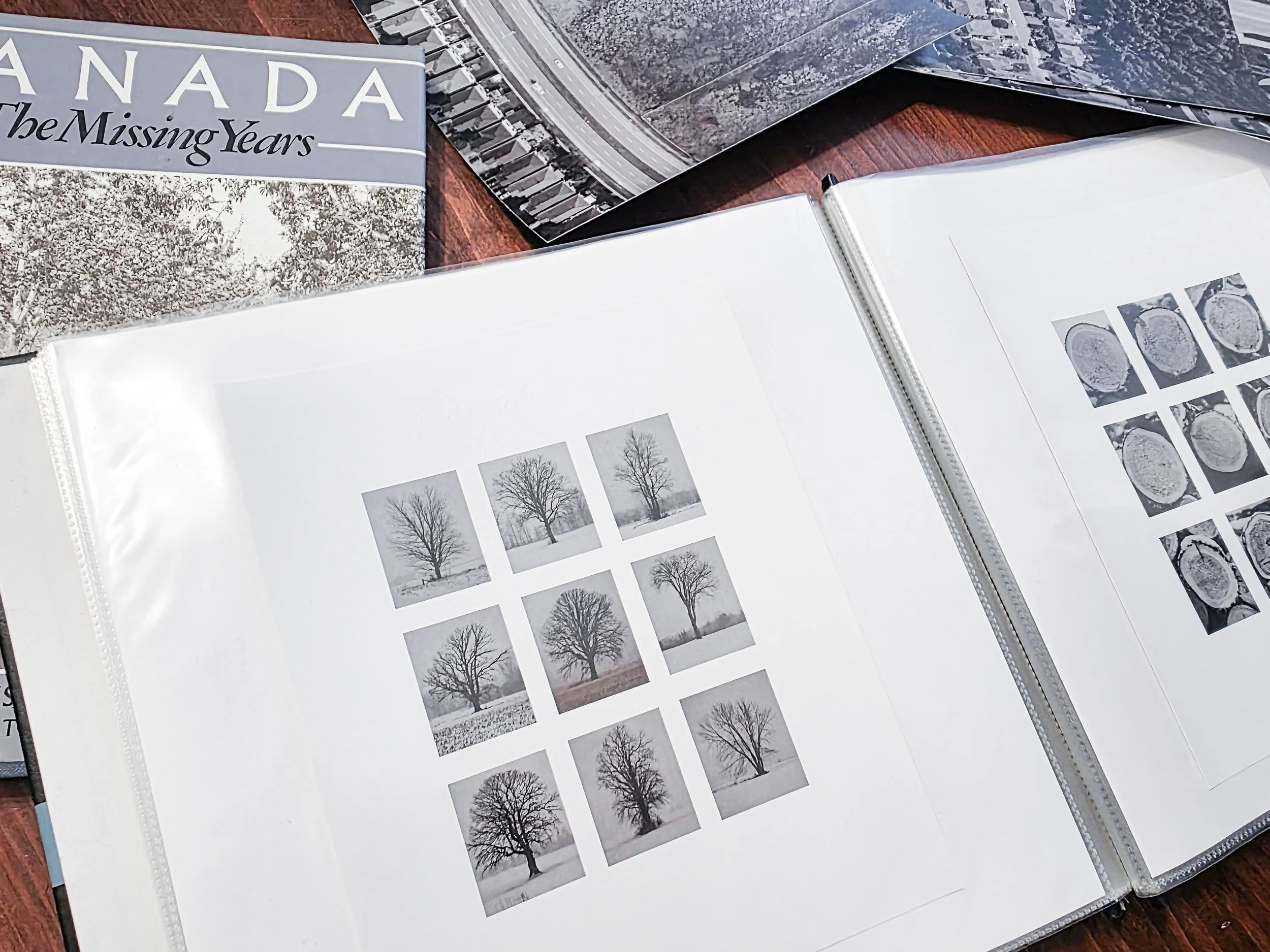
Images of prints being organized in efforts to determine the final layout of the printed books to accompany the installation applications.
Alongside these publications, plans are beginning to take shape for public dissemination through gallery spaces in the Ottawa region. Several venues are being explored for their ability to engage audiences already involved in conversations around environment, culture, and civic identity. Institutions such as the Ottawa Art Gallery, the Carleton University Art Gallery, and exhibition spaces connected to the National Capital Commission are particularly compelling because they attract visitors interested in regional history, landscape, and public discourse. Community-focused spaces like SAW Gallery or the Ottawa School of Art Gallery are also being considered for their strong ties to local artists and civic-minded audiences. The intention is that a future physical exhibition will bring these images back into the community whose landscapes they document, creating opportunities for dialogue about how cities grow, what is lost along the way, and how these questions might shape the future of Ottawa’s natural spaces.
Please follow along this journey and participate in any way you can!